Alright, let’s imagine a home where comfort meets sustainability, all while saving you some bucks on those pesky utility bills. Sounds great, right? Well, that’s the magic of Passive House design! 🌱 In Malaysia, where the sun shines bright and humidity can be a real challenge, this innovative building approach is turning heads and making waves. So, if you’re a Malaysian homeowner curious about how to create a cozy, energy-efficient haven for your family, you’re in the right place. Today, we’re diving into “5 Reasons Why Passive House Design is a Game-Changer for Malaysian Homeowners.” From maximizing energy efficiency to enhancing your living space, let’s explore how this design can transform your home into a better place for you and the environment. Ready? Let’s go! 🏡✨
Understanding Passive House Principles for Sustainable Living
Imagine living in a home that stays comfy throughout the year without cranking up the air conditioning or heater. That’s one of the coolest perks of the Passive House design. It revolves around a few core principles, like super insulation and airtightness, ensuring your home retains heat in the cooler months and stays breezy when the sun’s blazing. Less energy needed, more comfort wanted—now that’s a win-win!
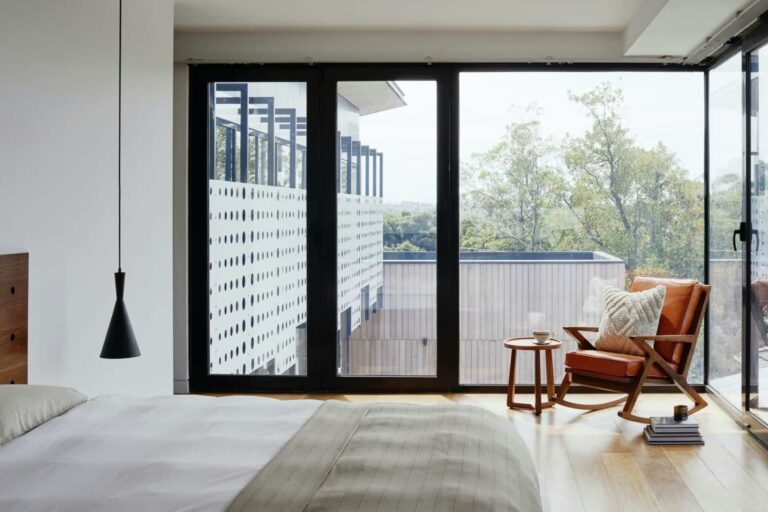
Another fascinating aspect is the use of high-quality windows that help harness natural light while keeping the temperature just right. Instead of using artificial lighting all day, you can bask in the glow of the sun and eliminate those heavy electric bills. And oh, don’t forget the ventilation systems, which are designed to circulate fresh air efficiently, offering a healthier living environment without sacrificing energy consumption. Goodbye stuffy rooms, hello fresh breeze!
Let’s not overlook the financial benefits. Imagine slashing your energy bills drastically while boosting your home’s value. Passive House design is becoming increasingly sought after, especially here in Malaysia, where sustainability is on everyone’s minds. Making this smart choice not only benefits your family but also supports a greener future. Investing in a Passive House is like planting a seed for a sustainable tomorrow!
Maximizing Energy Efficiency Through Thoughtful Design
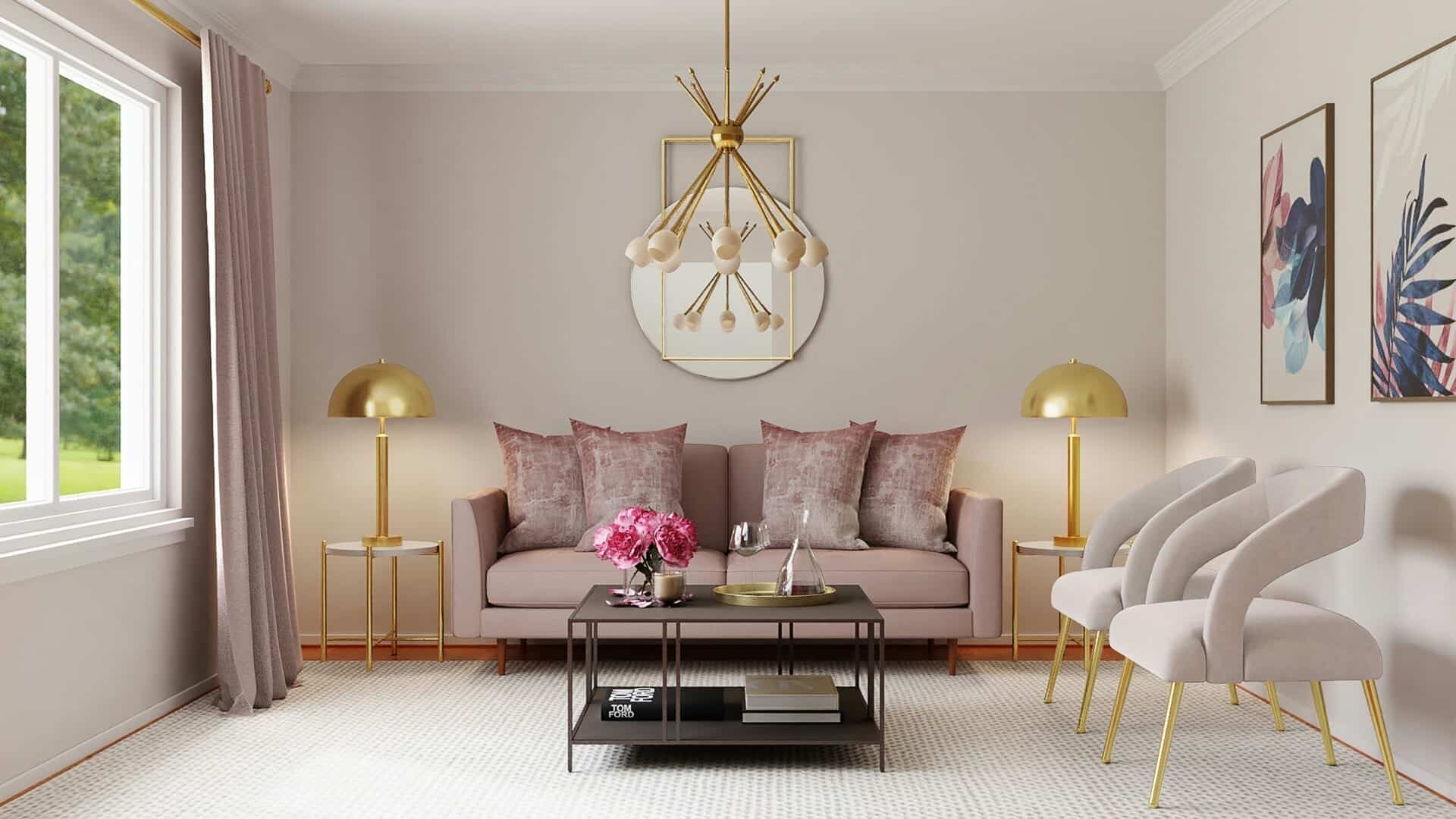
Passive House design isn’t just about creating an appealing home; it’s about crafting spaces that work in harmony with the environment. In Malaysia, where temperatures can soar and humidity levels can be high, these homes minimize the need for mechanical heating and cooling. By utilizing natural ventilation, carefully positioned windows, and thermal mass, you can keep your home comfortable without relying on excessive energy consumption. Think of it as giving your home a “breath of fresh air” that reduces your reliance on electricity while maintaining an inviting atmosphere.
Another game-changing aspect of Passive House design is its ability to harness daylight harvesting. This technique strategically places windows to maximize natural light during the day, which not only brightens up your living spaces but also cuts down on artificial lighting needs. Homeowners can enjoy cozy, sun-soaked interiors while significantly reducing their electricity bills. With increased use of energy-efficient light fixtures, this approach further enhances green living while creating a warm ambiance that you and your family will love.
Passive House design is all about using sustainable materials and construction methods that promote energy efficiency. By selecting locally sourced materials, you’re not only cutting down on transportation emissions but also supporting the local economy. Furthermore, these designs often incorporate features like green roofs and rainwater harvesting systems that further enhance the eco-friendliness of your home. It’s like giving your home a gift that keeps on giving—both to your wallet and the planet!

Enhancing Indoor Air Quality for Healthier Homes
When it comes to creating a sanctuary within your home, the quality of the air you breathe plays a crucial role. With the Passive House design, homeowners can significantly enhance indoor air quality, leading to a healthier living environment. This approach utilizes continuous ventilation systems that not only keep the air fresh but also ensure it’s filtered properly, reducing pollutants and allergens. Imagine being able to enjoy your space without the constant worry of dust, smoke, or other harmful particles lurking in the corners!
In a Malaysian context, where humidity often leads to mold and other indoor air issues, Passive House principles shine. The superior insulation allows for effective temperature control, minimizing the need for excessive air conditioning, which often leads to stale air circulation. This design ethos creates a pleasant microclimate indoors, even as tropical temperatures soar outside. Homeowners can relish in a consistently comfortable atmosphere, knowing their health is prioritized through thoughtful architectural choices.
Moreover, the integration of natural ventilation methods like strategically placed windows and openings can foster a flow of fresh air through the home. This not only helps to keep the indoor air cleaner but also enhances the overall aesthetic, bringing a sense of outdoor beauty into your living space. To summarize, embracing Passive House design brings together the benefits of sustainability, comfort, and, most importantly, a healthier home environment that Malaysian homeowners are sure to appreciate.

The Economic Benefits of Embracing Passive House Strategies
Investing in Passive House strategies can lead to significant financial benefits for homeowners in Malaysia. First off, these designs dramatically enhance energy efficiency, meaning lower utility bills each month. With features like superior insulation and triple-glazed windows, homeowners can enjoy a cozy indoor climate while drastically reducing the need for heating and cooling systems. Imagine saving up to 70% on your energy costs compared to traditional homes—that’s money back in your pocket!
Additionally, the value of a home equipped with Passive House standards can increase over time, making it an attractive investment. As the world moves towards more environmentally friendly practices, properties that embrace sustainability are becoming more desirable. Buyers are increasingly looking for homes that not only offer comfort but also promote green living. This shift can enhance resale value, giving you a significant return on your investment should you choose to sell in the future.
Moreover, embracing these energy-efficient strategies can even lead to a reduction in maintenance costs. With robust and durable materials known for their long lifespan, Passive House homes often require less frequent repairs and replacements. Additionally, many homeowners find that local and federal incentives aimed at promoting green building practices can help offset initial costs. Here’s a quick look at some potential savings:
| Cost Category | Potential Savings |
|---|---|
| Annual Energy Bills | Up to 70% savings |
| Home Value Increase | 10-20% increase post-renovation |
| Maintenance Costs | 30% lower over 10 years |

Climate Resilience: Adapting to Malaysias Unique Environment
As Malaysia faces increasing climate challenges—from heavy rainfall to rising temperatures—homeowners are seeking innovative solutions that not only protect their homes but also contribute to environmental sustainability. One such solution is passive house design, which emphasizes energy efficiency and comfort. By incorporating elements such as high-performance insulation, airtight construction, and strategic window placements, homeowners can create a living space that minimizes their carbon footprint while maximizing natural comfort. This design philosophy aligns flawlessly with Malaysia’s tropical climate, making it particularly effective in reducing reliance on mechanical cooling systems.
Another significant advantage of passive house design is its capacity to enhance indoor air quality, crucial for health and wellbeing. Features like natural ventilation and heat recovery ventilation systems allow for a continuous flow of fresh air while maintaining thermal comfort. This means that families can enjoy a breathable and healthy living environment, even amidst the humidity and heat outside. Moreover, the reduction in energy demand translates to lower utility bills, allowing homeowners to allocate resources to other aspects of sustainable living.
One of the greatest strengths of passive house design lies in its adaptability. It can be tailored to fit various architectural styles while still incorporating essential features that resist the impacts of climate change. Here’s a quick look at how passive house elements can be seamlessly integrated into the Malaysian context:
| Passive House Element | Malaysian Adaptation |
|---|---|
| High-Performance Insulation | Using local materials that provide excellent thermal resistance, reducing heat transfer. |
| Airtight Construction | Implementing airtight barriers to minimize moisture ingress from heavy rains. |
| Strategic Window Placement | Orienting windows for cross-ventilation to enhance natural cooling. |
| Solar Energy Utilization | Installing solar panels to harness abundant sunlight for energy needs. |
By embracing passive house principles, Malaysian homeowners not only safeguard their properties against the drastic effects of climate change but also cultivate a more sustainable living culture. As awareness and interest grow, the potential for these eco-friendly designs to influence urban development and rural dwelling alike becomes a beacon of hope for a resilient future.
Creating Comfortable Living Spaces Year-Round
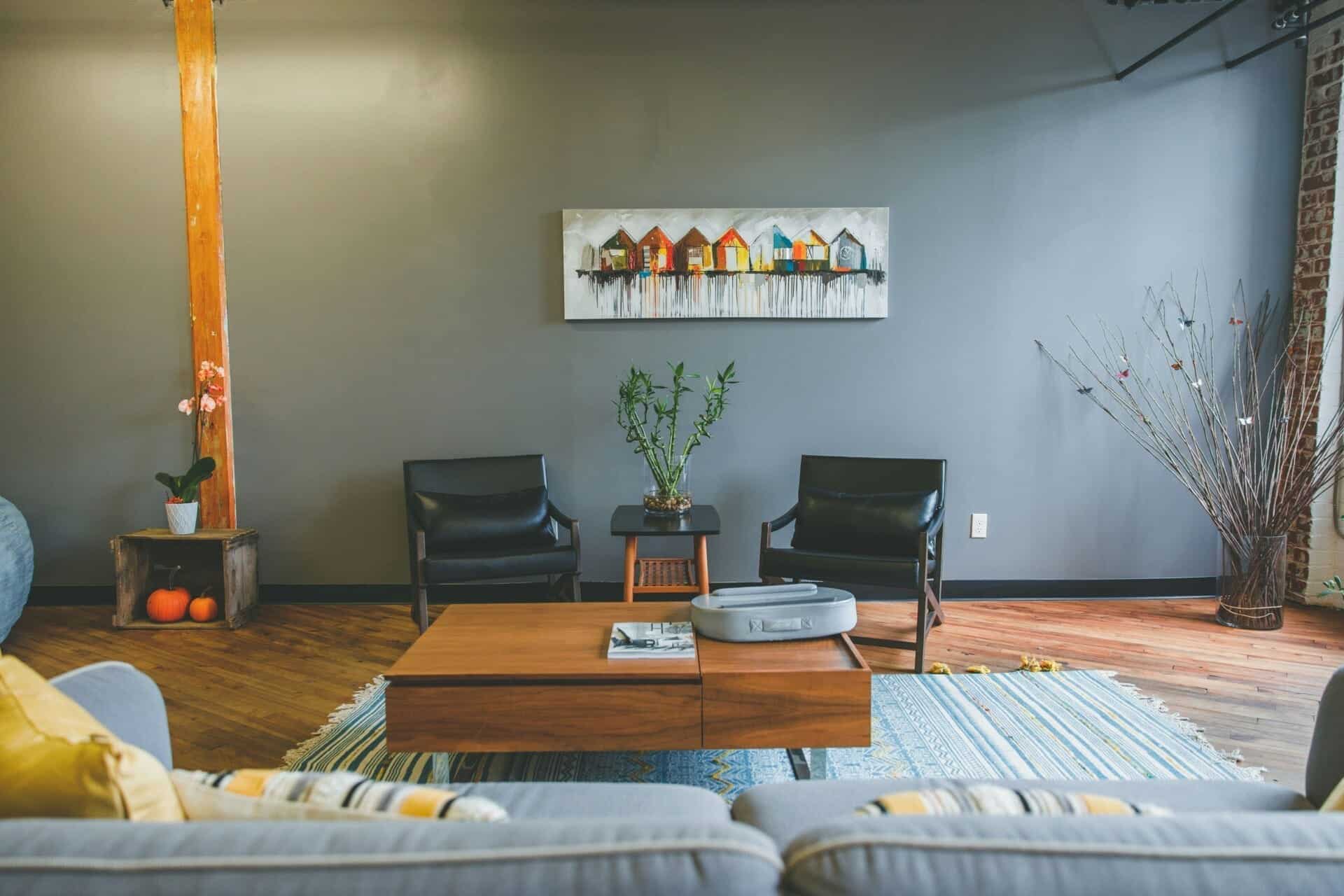
Passive House design transforms your living environment into a sanctuary of comfort, promoting well-being through superior indoor climate control. By optimizing the positioning of windows and the insulation of walls, these homes maintain a steady temperature throughout the year. This natural regulation means that homeowners can enjoy cool breezes even during the hot, humid Malaysian summer, and warmth without a chill in the air during the monsoon season.
One of the most underrated aspects of this design philosophy is its ability to minimize reliance on artificial heating and cooling systems. With thoughtful consideration of airflow and sunlight, passive homes can dramatically reduce energy bills. Homeowners can take pride in not only cutting costs but also in sustainable living. Here’s how:
- Natural Ventilation: Harnesses breezes for cooler indoor air.
- Solar Gain: Takes advantage of sunlight for warmth during cooler months.
- High-performance Insulation: Prevents heat loss and keeps the interior comfortable.
Moreover, integrating features like thermal mass enhances the passive design’s performance. Materials with high thermal mass will absorb heat during the day and release it slowly at night, enabling you to enjoy a stable temperature around the clock. This design is not only efficient but also encourages a more connected lifestyle with nature. Imagine relaxing in your living room with natural light pouring in, enjoying the serenity of your well-designed environment without ever needing to crank up the AC!

Implementing Sustainable Materials and Construction Techniques
When it comes to building homes, the materials and techniques you choose can significantly influence not only your living environment but also the planet’s health. In the world of Passive House design, sustainable materials such as recycled insulation and eco-friendly timber take center stage. These materials not only reduce the carbon footprint of your building project but also enhance energy efficiency. This means less reliance on non-renewable resources and a smaller ecological impact, making your home a harmonious part of its natural surroundings.
Moreover, innovative construction techniques play a pivotal role in the Passive House paradigm. For instance, the use of advanced framing optimizes thermal performance while minimizing waste. Techniques like modular construction can also streamline the building process, enabling faster assembly without sacrificing quality. Adopting these methods allows Malaysian homeowners to achieve a sustainable living space that’s not just functional but also aesthetically pleasing, creating a modern vibe while respecting the environment.
| Benefits of Sustainable Materials | Examples |
|---|---|
| Lower Energy Costs | Solar panels, high-performance windows |
| Healthier Living Environment | Non-toxic paints, natural ventilation |
| Increased Property Value | Green certifications, energy performance ratings |
Navigating the Challenge: From Concept to Reality in Malaysian Homes
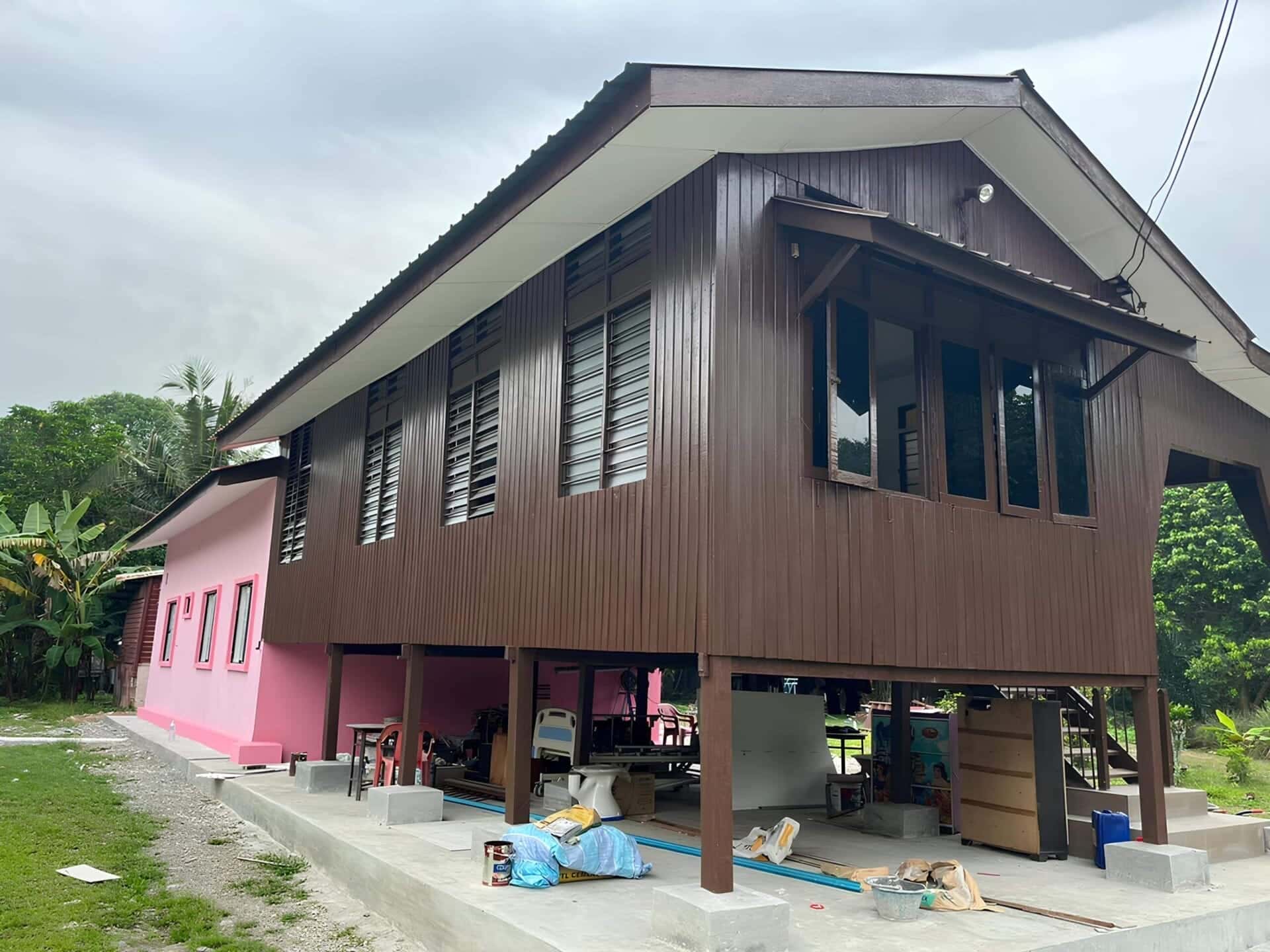
When it comes to making homes in Malaysia more sustainable and efficient, passive house design hits the nail on the head. This approach focuses on leveraging natural resources to maintain comfortable indoor temperatures, reducing reliance on artificial heating and cooling systems. By integrating elements like improved insulation, high-performance windows, and airtight construction, homeowners can enjoy a cozy living space without the hefty electricity bills that come with traditional building methods.
One of the standout features of passive house design is its capacity for energy efficiency. Homes designed with these principles can achieve remarkable energy savings, often consuming up to 90% less energy for heating and cooling compared to standard homes. Not only does this mean smaller energy bills, but it also translates into a significant decrease in the carbon footprint, contributing to a healthier environment for everyone. Homeowners can enjoy peace of mind knowing they’re making a positive impact on the planet.
Beyond the numbers, there’s a strong emphasis on comfort and health in passive house design. By optimizing air quality and temperature, occupants can experience a more pleasant living environment. These houses are designed to prevent drafts and enhance natural ventilation, leading to improved indoor air quality. For Malaysian families, this means a healthier space for kids to play and for everyone to unwind without worrying about excessive humidity or pollutants. It’s a smart choice that aligns well with both contemporary lifestyles and environmental consciousness.
The Conclusion
embracing Passive House design isn’t just a trend; it’s a step towards a more sustainable, comfortable, and cost-effective future for homeowners in Malaysia. Imagine living in a home that naturally keeps you cool without cranking up the air conditioning, or saving money on energy bills while also being kinder to the planet. With the five reasons we’ve explored, it’s clear that this design approach offers a fresh perspective on what it means to live well.
So, whether you’re building a new home or considering a renovation, think about how Passive House principles can transform your space. It might just be the game-changer your family needs!
Feel inspired? Share your thoughts on the impact of Passive House design in your community or tell us about the innovative changes you’d love to see in Malaysian homes! Let’s start a conversation and work together towards a greener, cozier future. 🌍✨